




The connection between diet and skin quality is well established in dermatological research but poorly communicated to consumers. Most dietary advice for skin falls into two categories: vague ("eat more fruits and vegetables") or extreme ("eliminate all dairy, sugar, gluten, and alcohol"). Neither is useful. The vague advice lacks specificity. The extreme advice lacks evidence and sustainability. What the research actually supports is specific — certain nutrients, in specific amounts, consumed consistently over time, produce measurable improvements in skin hydration, elasticity, and inflammatory markers. This meal plan is built around those specific nutrients.
She-Approved articles are built from a real testing panel, not a single writer's opinion. For most reviews that means a rotating group of 6–18 testers using products in normal, at-home conditions — not a lab — for two to twelve weeks depending on the category, with results cross-checked against named clinical sources and published research rather than manufacturer claims. Where a topic is more explanatory than comparative, we still hold it to the same rule: no unsourced "experts say," and no recommendation the editor hasn't verified personally.
Dermatological research identifies four dietary components with the strongest evidence for skin health: omega-3 fatty acids, vitamin C, vitamin E, and beta-carotene. Each plays a distinct role, and deficiency in any of them produces visible skin effects that are reversible with dietary correction.
Omega-3 fatty acids (found in fatty fish, walnuts, flaxseed, and chia seeds) maintain the lipid barrier of the skin — the layer of fats that prevents transepidermal water loss and protects against environmental irritants. A 2005 study in the Journal of Lipid Research found that omega-3 supplementation increased skin hydration by 39 percent over 12 weeks. The mechanism is direct: omega-3s are incorporated into the phospholipid bilayer of skin cell membranes, improving their structural integrity and reducing inflammation. The effective dietary dose is 1-2 grams of combined EPA and DHA per day, equivalent to two servings of fatty fish per week or a daily tablespoon of ground flaxseed.
Vitamin C (found in citrus, bell peppers, strawberries, broccoli, and kale) is essential for collagen synthesis. Collagen provides the structural scaffolding of skin — the framework that keeps it firm and elastic. Without adequate vitamin C, collagen production slows and existing collagen degrades faster. A 2007 study in the American Journal of Clinical Nutrition found that women with higher vitamin C intake had significantly fewer wrinkles and less age-related dryness, independent of other dietary factors. The effective dose is 75-90 mg per day (the RDA), but the skin-specific benefits in studies appear at higher intakes: 200-500 mg per day from dietary sources.
Vitamin E (found in almonds, sunflower seeds, avocado, and olive oil) is a fat-soluble antioxidant that protects skin cell membranes from oxidative damage caused by UV exposure and environmental pollutants. Vitamins C and E work synergistically — each regenerates the other after neutralizing a free radical, which means consuming both together is more effective than consuming either alone. The effective dose is 15 mg per day (the RDA), easily achieved by eating a handful of almonds or sunflower seeds.
Beta-carotene (found in sweet potatoes, carrots, spinach, and red bell peppers) is converted to vitamin A in the body and accumulates in the skin, where it provides mild natural photoprotection and improves skin tone. A 2008 study found that beta-carotene supplementation produced a visible improvement in skin tone (reduced sallowness, increased warmth) within 6-8 weeks. The effective dose is 6-15 mg per day, equivalent to one medium sweet potato or two large carrots.
Monday. Breakfast: overnight oats made with rolled oats, chia seeds (omega-3), sliced strawberries (vitamin C), and a handful of chopped walnuts (omega-3, vitamin E). Lunch: spinach salad (beta-carotene) with grilled chicken, avocado (vitamin E), cherry tomatoes (vitamin C), sunflower seeds (vitamin E), and olive oil dressing (vitamin E). Dinner: baked salmon (omega-3) with roasted sweet potato (beta-carotene) and steamed broccoli (vitamin C).
Tuesday. Breakfast: Greek yogurt with blueberries (antioxidants), ground flaxseed (omega-3), and a drizzle of honey. Lunch: whole-grain wrap with hummus, shredded carrots (beta-carotene), bell pepper strips (vitamin C), mixed greens (beta-carotene), and feta. Dinner: stir-fried tofu with red bell peppers (vitamin C, beta-carotene), snap peas, garlic, ginger, and brown rice. Side of steamed edamame (vitamin E).
Wednesday. Breakfast: smoothie made with frozen mango (beta-carotene, vitamin C), banana, handful of spinach (beta-carotene), tablespoon of almond butter (vitamin E), and oat milk. Lunch: lentil soup with carrots (beta-carotene), celery, tomatoes (vitamin C), and a side of whole-grain bread with olive oil (vitamin E). Dinner: grilled sardines or mackerel (omega-3) with kale salad (vitamin C, beta-carotene) dressed with lemon juice and olive oil.
Thursday. Breakfast: two scrambled eggs with sauteed spinach (beta-carotene) and whole-grain toast topped with sliced avocado (vitamin E). Lunch: quinoa bowl with roasted sweet potato (beta-carotene), chickpeas, mixed greens, cherry tomatoes (vitamin C), and tahini dressing (vitamin E). Dinner: baked chicken thighs with roasted Brussels sprouts (vitamin C) and wild rice.
Friday. Breakfast: overnight chia pudding (omega-3) with sliced kiwi (vitamin C) and a handful of almonds (vitamin E). Lunch: tuna salad (omega-3) made with olive oil instead of mayonnaise (vitamin E), served on whole-grain bread with arugula (beta-carotene) and tomato. Dinner: shrimp and vegetable curry with coconut milk, red bell peppers (vitamin C, beta-carotene), sweet potato (beta-carotene), and jasmine rice.
Weekend. The weekend is for flexibility — eating out, cooking something indulgent, taking a break from structure. The weekday meals provide more than adequate levels of all four target nutrients. Two days of unstructured eating will not undo five days of consistent nutrient intake. The goal is sustainability over perfection.
The entire week of meals can be sourced from a single grocery trip. The key items, grouped by nutrient target: Omega-3: salmon (2 fillets), sardines or mackerel (1 can or 2 fillets), chia seeds, ground flaxseed, walnuts, canned tuna. Vitamin C: bell peppers (3-4, mixed colors), broccoli, Brussels sprouts, strawberries, kiwi, lemons, tomatoes. Vitamin E: almonds, sunflower seeds, avocados (3-4), extra virgin olive oil, almond butter. Beta-carotene: sweet potatoes (3-4), carrots, spinach, kale, mixed greens, mango (frozen).
The estimated weekly grocery cost for one person is $55-75, depending on location and whether you buy organic. This is comparable to or less than most Americans spend on groceries — the ingredients are not exotic, specialty, or premium. They are supermarket staples that happen to be dense in the four nutrients most relevant to skin health.
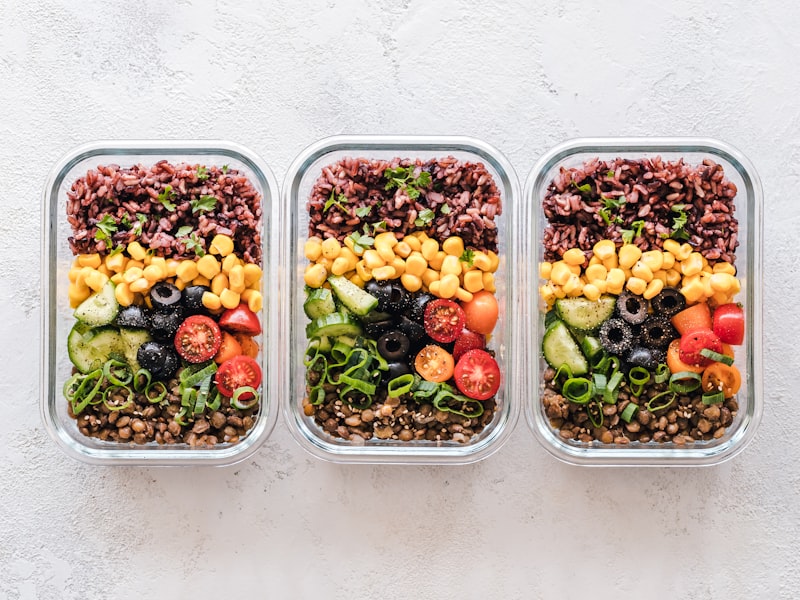
Sunday evening, spend 45-60 minutes on three tasks. First, roast a large batch of sweet potatoes and store them in containers for the week — they reheat well and appear in multiple meals. Second, wash and chop all greens (spinach, kale, mixed greens) and store in containers with a damp paper towel to maintain freshness. Third, prepare overnight oats and chia pudding for Monday and Friday breakfasts. These three prep tasks reduce weekday cooking to 15-20 minutes per meal.
The salmon and chicken can be batch-cooked on Sunday or cooked fresh each evening — both approaches work. If you batch-cook, store cooked proteins in separate containers and reheat at mealtime. If you cook fresh, the evening meals take 25-35 minutes, which is within the range of most weeknight cooking.
This plan does not eliminate dairy, sugar, gluten, or any other food group. The evidence for eliminating entire food groups for skin health is inconsistent and generally weak. Dairy elimination may help some individuals with acne (the mechanism appears to involve insulin-like growth factor-1, which some dairy products stimulate), but it is not a universal recommendation. Sugar reduction is generally beneficial for overall health and may reduce glycation (the process by which sugar molecules damage collagen fibers), but total elimination is unnecessary — the dose makes the poison.
The plan also does not include supplements. The four target nutrients are available in food at the doses supported by the research. Supplementation adds cost, introduces the risk of excessive intake (fat-soluble vitamins E and A can accumulate to harmful levels), and generally produces inferior bioavailability compared to food sources. If you eat the meals outlined above, you do not need a skin supplement.
Dietary changes affect skin slowly. The epidermis (outer layer of skin) turns over every 28-40 days, which means the cells produced today will be the visible skin surface in 4-6 weeks. The deeper dermis, where collagen and elastin reside, remodels over months. Expect to see improvements in skin hydration and texture within 4-6 weeks, improvements in skin tone (less sallowness, more warmth from beta-carotene accumulation) within 6-8 weeks, and improvements in fine lines and elasticity over 3-6 months.
These timelines assume consistent adherence — five days per week of nutrient-dense meals, maintained over months. Eating one salmon dinner does not improve skin. Eating salmon twice a week for three months does. The same principle applies to every nutrient on this list: consistency over intensity, sustainability over perfection, food over supplements. Your skin reflects what you eat regularly, not what you eat occasionally.
The biggest obstacle to maintaining a skin-supporting meal prep routine is not lack of knowledge or motivation but the unrealistic expectation that every week needs to look the same. Life does not operate on a consistent schedule, and a meal prep approach that demands three hours of cooking every Sunday quickly becomes another source of stress rather than a tool for wellness. The most sustainable approach builds flexibility into its foundation, allowing you to scale your prep effort up or down based on what your week actually looks like.
Batch cooking foundational ingredients rather than complete meals gives you maximum versatility with minimum effort. A large pot of quinoa, a sheet pan of roasted vegetables, and a container of washed greens can become salads, grain bowls, wraps, or stir-fry bases depending on your mood and schedule. This ingredient-based approach prevents the meal prep fatigue that sets in when you are eating the same four containers of identical food by Wednesday, and it accommodates the spontaneous cravings that make eating enjoyable rather than mechanical.
Freezer strategy is the secret weapon that separates women who maintain their meal prep for months from those who abandon it after two weeks. Dedicating one prep session per month to preparing freezer-friendly components like homemade broth, portioned smoothie packs, and pre-seasoned protein creates a safety net for weeks when your regular prep does not happen. These frozen components mean that a busy week results in slightly less variety rather than a complete collapse into takeout and convenience food.
The social dimension of meal prep also deserves consideration. Cooking in isolation every week can feel tedious, but inviting a friend to prep together transforms the task into a social activity. You can split the cost of bulk ingredients, share the labor of chopping and cooking, and divide the results between two households. This collaborative approach cuts your individual prep time roughly in half while adding a connection point to your week that nourishes more than just your skin.
Seasonal adjustment keeps your meal prep aligned with both ingredient availability and your body's changing needs. Summer prep might emphasize raw salads, cold soups, and smoothie ingredients that require minimal cooking and complement the season's abundance of fresh produce. Winter prep shifts toward roasted root vegetables, warming grain bowls, and hearty soups that provide the comfort and sustained energy that shorter, colder days demand. Rotating your prep focus with the seasons ensures nutritional variety and prevents the monotony that undermines even the most well-intentioned routine.
Before the skin changes become visible, you will likely notice changes in how your skin feels. Within the first two weeks, many people report that their skin feels softer to the touch and less tight after cleansing — a sign of improved hydration from the omega-3 fatty acids being incorporated into skin cell membranes. By week three or four, the "morning dullness" that many women notice when they look in the mirror before their skincare routine begins to diminish. This is the vitamin C supporting collagen turnover and the beta-carotene lending a subtle warmth to skin tone that was previously absent.
The changes are subtle enough that you may not notice them day to day — which is why taking a photo in consistent lighting at the start of the plan and comparing it at the eight-week mark is more informative than daily mirror checks. The skin you see at eight weeks will not look dramatically different. It will look slightly more hydrated, slightly more even in tone, and slightly more luminous. Those three "slightlys" add up to a meaningful visible difference, achieved without a single topical product change — just by giving your skin the raw materials it needs to function at its baseline best.
Why you should trust this review. She-Approved buys every product we test at retail price — no products are sent to us for review, and no brand sees a review before it publishes. Every article lists a named editor, not an anonymous "team," and you can read her full background and other reviews on her author page above. Our testing process is documented on our review standards page, and any affiliate relationship is disclosed on our how we earn page.
Our methodology. Claims in this category are checked against published clinical evidence and named medical sources. Read the full process on our review standards page.
Last updated: August 5, 2026