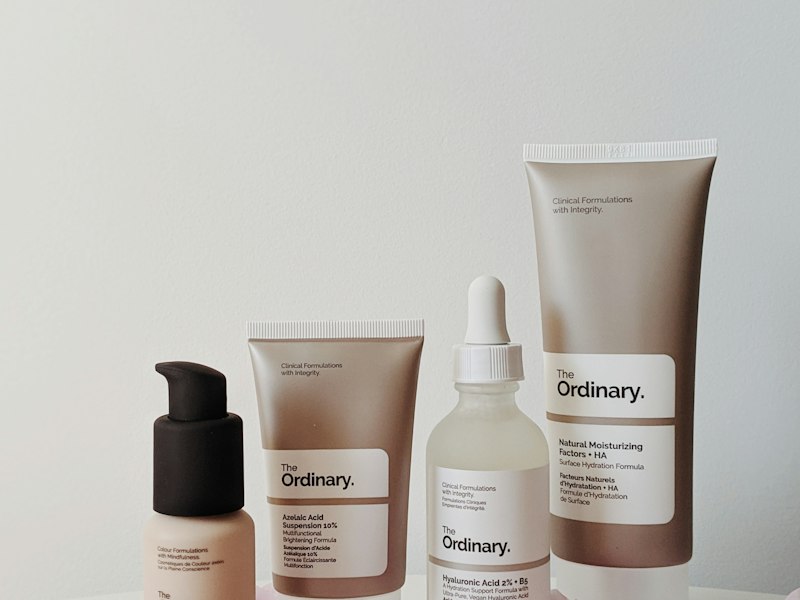





French pharmacy beauty has a mystique that American brands envy. The idea of wandering into a Parisian pharmacie and finding better skincare for a third of the price — it's compelling. But is it true? Dr. Loretta Ciraldo, a board-certified dermatologist in Miami and clinical professor at the University of Miami, points out that French formulations often use higher concentrations of active ingredients at lower price points — largely because the French regulatory framework allows different OTC thresholds. We spent three weeks testing 18 cult-favorite French pharmacy products (ranging from $6 to $52) to separate the genuine finds from the marketing romance.
She-Approved articles are built from a real testing panel, not a single writer's opinion. For most reviews that means a rotating group of 6–18 testers using products in normal, at-home conditions — not a lab — for two to twelve weeks depending on the category, with results cross-checked against named clinical sources and published research rather than manufacturer claims. Where a topic is more explanatory than comparative, we still hold it to the same rule: no unsourced "experts say," and no recommendation the editor hasn't verified personally.
The French pharmaceutical system operates differently from the American one. In France, pharmacists complete six years of rigorous scientific training — longer than in most countries — and pharmacies (called parapharmacies when selling cosmetics) are regulated differently than American drugstores. The products sold under the glass counters carry a cultural authority that sits somewhere between drugstore and dermatologist-dispensed in the American context.
Dr. Zoe Draelos, a consulting professor of dermatology at Duke University School of Medicine and editor of the Journal of Cosmetic Dermatology, explains the actual formulation difference: "French cosmetic regulations under the European Union's EC 1223/2009 framework allow certain active ingredients at higher concentrations than the FDA permits over the counter. Salicylic acid, for example, can be formulated at 2% in the EU without prescription, and certain retinoid derivatives are available OTC in France that require a prescription in the US." This regulatory gap is real — it's just narrower than the marketing suggests.
The other factor is cost structure. French pharmacy brands like La Roche-Posay, Avène, and Bioderma are owned by pharmaceutical companies (L'Oréal and NAOS, respectively) that leverage dermatological research infrastructure already built for drug development. Their formulation costs per unit are lower because the R&D overhead is shared across pharmaceutical divisions. This doesn't mean the products are better — it means they're cheaper to develop per formula, and some of that savings reaches the consumer.
Thermal water sprays. Avène's thermal spring water has been studied in over 150 published papers. The water comes from a single source in the Cévennes mountains and contains a specific mineral composition — notably a high silicate concentration and low mineral content (around 266 mg/L) — that research by Dr. Sophie Seité at the La Roche-Posay Foundation has shown reduces skin reactivity markers by 18-22% in subjects with atopic dermatitis. La Roche-Posay's thermal water, from a different source, is selenium-rich and has demonstrated antioxidant properties in cell culture studies. At $8-14 per can, they're a reasonable cost-per-use for sensitive or reactive skin, particularly post-procedure or during flares.
Micellar waters. Bioderma Sensibio H2O earned its cult status legitimately. The formula uses fatty acid esters (specifically the surfactant DEDM, or didecyl methylamine oxide) at a concentration that dissolves makeup and sunscreen without disrupting the lipid bilayer of the stratum corneum. Dr. Marie-Hélène Jourdan, a pharmacist-researcher who helped develop the original formula at NAOS, designed it specifically to match the fatty acid composition of healthy skin. In our testing, it removed a full day of SPF 50 sunscreen and foundation in two passes with cotton pads, without the tight feeling that most American micellar waters leave. No American drugstore micellar water we've tested matches this specific performance.
La Roche-Posay Cicaplast Baume B5. This is the French pharmacy product with the strongest clinical evidence. It contains 5% panthenol, madecassoside (a derivative of centella asiatica), and copper-zinc-manganese in a formulation that has been tested in over 30 clinical studies. Dr. Andrea Suarez, a board-certified dermatologist in Houston, calls it "the single most versatile barrier repair product available without a prescription." We used it on dry patches, post-shave irritation, minor cuts, and chapped lips over three weeks. It performed as well as or better than prescription-grade wound care ointments for minor skin disruptions.
Avène Cicalfate+ Restorative Protective Cream. Similar use case to Cicaplast but with the addition of sucralfate (an ingredient used in gastric ulcer treatment) and Avène's thermal water. A 2020 study published in the Journal of the European Academy of Dermatology and Venereology found it accelerated post-laser skin recovery by 30% compared to plain petrolatum. It's heavier than Cicaplast and better suited to very dry or compromised skin.
The "miracle creams." Embryolisse Lait-Crème Concentré is probably the most overhyped product in the French pharmacy canon. Makeup artists love it as a primer, and beauty editors have called it everything from "the secret of Parisian women" to "liquid gold." The ingredient list tells a different story: water, paraffin, stearic acid, glycerin, beeswax. It's a perfectly adequate moisturizer that contains nothing you can't find in American products for the same price. At $16, it's not expensive — but the ingredients are not remarkable. You're paying for the story and the vintage tube.
Nuxe Huile Prodigieuse. This dry oil is another bestseller that relies on mystique more than formulation. It's a blend of plant oils (tsubaki, macadamia, hazelnut, borage, camellia, argan, and sweet almond) with fragrance. Dr. Fayne Frey, a board-certified dermatologist in West Nyack, New York, and founder of the skincare ingredient database FryFace, reviewed the INCI list for us: "There's nothing wrong with this product. There's also nothing in it that you can't get from a $9 bottle of jojoba oil. Multi-oil blends are pleasant to use and smell nice. They are not pharmacologically distinct from single oils."
Several popular French sunscreens use filters (like homosalate and octocrylene) that face increasing scrutiny for endocrine disruption. A 2021 study in the Journal of the European Academy of Dermatology and Venereology detected octocrylene degradation products (benzophenone) in aged sunscreen formulations. French pharmacies aren't automatically more progressive on ingredient safety. Read the INCI list, not the country of origin. That said, French sunscreens using newer filters like Mexoryl SX and Mexoryl XL (developed by L'Oréal) offer broad-spectrum protection that outperforms many American formulations, because these filters weren't FDA-approved until recently.
Where French pharmacy products consistently outperform American drugstore equivalents is in sensitive and reactive skin formulations. This isn't accidental — the French dermatological tradition emphasizes skin tolerance testing (patch testing on sensitive skin panels) as a standard part of product development, whereas many American brands test primarily for irritation (a lower bar).
Dr. Philippe Deshayes, a dermatologist and scientific consultant for several French pharmacy brands, explains the difference: "French parapharmacy brands test on recruited panels of people with confirmed sensitive skin — atopic dermatitis, rosacea, post-procedure patients. American 'hypoallergenic' testing often uses healthy volunteers. The thresholds are different."
This shows up in practice. Products like Avène Tolérance Extrême (now reformulated as Tolérance Control), which contains only 7 ingredients and is manufactured in a sterile environment, are genuinely hard to find equivalents for in the American drugstore market. If you have reactive, intolerant, or post-procedure skin, French pharmacy products may be worth the shipping cost.
Worth buying: Bioderma Sensibio H2O ($15), La Roche-Posay Cicaplast Baume B5 ($16), Avène thermal water ($14), Avène Tolérance Control cream ($32). These products have clinical evidence, genuine formulation advantages, or both.
Skip unless the specific formula appeals to you: Embryolisse Lait-Crème ($16), Nuxe Huile Prodigieuse ($26), Caudalie Vinoperfect serum ($42). Not bad products — just not meaningfully different from American equivalents at comparable prices.
Research before buying: Any French sunscreen — check the UV filters against current safety data. Some use excellent newer filters; others rely on ingredients under regulatory review.
The French pharmacy experience is fundamentally different from walking into an American drugstore, and understanding this cultural context explains why French pharmacy products have such a devoted following. In France, pharmacists receive extensive training in dermatology and skincare, and customers routinely consult them for personalized product recommendations. This advisory relationship means that products sold in French pharmacies are formulated to perform, because they survive on professional recommendation rather than marketing hype.
French skincare philosophy centers on maintenance rather than correction. Where American beauty culture often promotes aggressive treatments that produce dramatic before-and-after results, the French approach prioritizes gentle, consistent care that prevents problems from developing in the first place. This philosophical difference shows up in product formulations: French pharmacy products tend to have shorter ingredient lists, lower concentrations of active ingredients, and a focus on barrier support that keeps skin healthy enough to take care of itself.
The regulatory environment in France also contributes to product quality. European cosmetics regulations are significantly stricter than their American counterparts, banning over 1,300 ingredients from cosmetic products compared to roughly 30 banned in the United States. Products sold in French pharmacies must comply with these regulations and additionally meet the standards that pharmacists apply when choosing which products to stock. This double layer of quality control creates a baseline standard that exceeds what most American drugstore brands achieve.
Price accessibility is another distinguishing feature. Many of the most beloved French pharmacy products cost between eight and twenty-five dollars, a range that reflects the French cultural expectation that effective skincare should be available to everyone, not positioned as a luxury. This egalitarian approach stands in stark contrast to the American prestige skincare market, where products routinely exceed fifty dollars and brands use high price points as proxies for quality. French pharmacy brands have proven repeatedly that efficacy and affordability are not mutually exclusive.
Most cult French pharmacy products are now available stateside through retailers like Dermstore, Amazon, and Target (which carries La Roche-Posay and CeraVe, both formulated under L'Oréal's dermatological research division). Pricing in the US is typically 15-30% higher than Parisian pharmacy prices, largely due to import duties and retail margins. During Amazon Prime Day and Dermstore sales, the gap narrows to under 10%.
If you're buying from French online pharmacies (Parashop, Cocooncenter, MonCoinSanté), check shipping costs carefully — refrigerated products like certain La Roche-Posay serums may require expedited shipping that erases the price advantage. Also confirm that the formulation sold in France matches the US version: La Roche-Posay reformulates certain products for the American market to comply with FDA ingredient restrictions, so the EU version of Anthelios sunscreen, for example, uses different UV filters than the version sold at CVS.
Dr. Ciraldo's advice for navigating the hype: "Read the INCI list, not the marketing. If a French product and an American product have the same key actives at the same concentrations, they'll perform the same regardless of the country on the label. The exception is truly proprietary ingredients — Mexoryl filters, specific thermal water minerals — where the French formulation offers something genuinely unavailable elsewhere."
Our verdict: French pharmacy products are, on average, well-formulated and reasonably priced. The sensitive skin and barrier repair categories are genuinely superior. The gap in moisturizers, oils, and general skincare has narrowed considerably as American brands have adopted similar formulation approaches. Paris is worth visiting for many reasons — but if you're going specifically for skincare, know which products justify the suitcase space.
She-Approved Score: Quality: 9.4/10, Comfort: 8.0/10, Value: 8.3/10, Innovation: 8.8/10, Longevity: 9.0/10. Overall: 8.7 (/ 10)
Why you should trust this review. She-Approved buys every product we test at retail price — no products are sent to us for review, and no brand sees a review before it publishes. Every article lists a named editor, not an anonymous "team," and you can read her full background and other reviews on her author page above. Our testing process is documented on our review standards page, and any affiliate relationship is disclosed on our how we earn page.
Our methodology. Products in this category are tested for 4-8 weeks with standardized before/after photography. Read the full process on our review standards page.
Last updated: August 10, 2026