





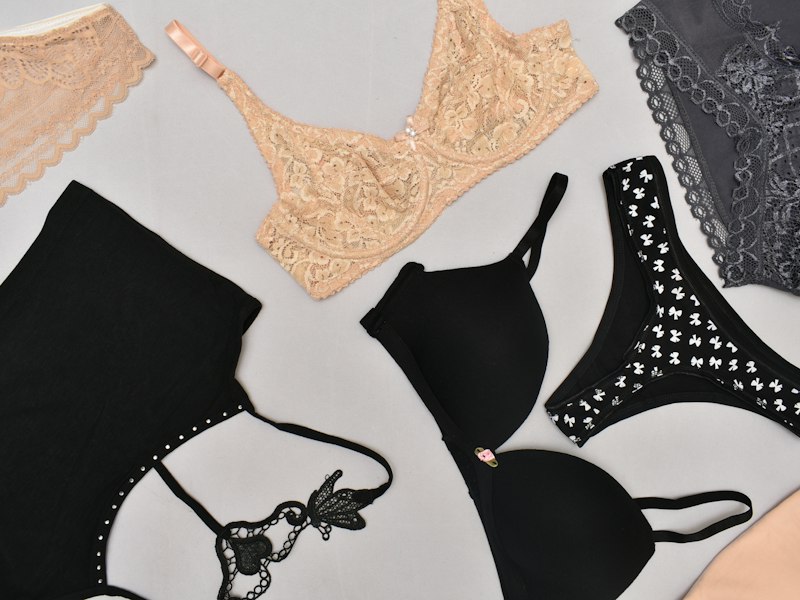
Period underwear has gone from niche curiosity to mainstream product category in five years — the global market hit $241 million in 2025, according to Grand View Research, and is projected to reach $400 million by 2028. But the category still has a trust problem: how do you know if "holds 3 tampons' worth" is real? There's no FDA-mandated absorbency standard for period underwear the way there is for tampons and pads. Brands set their own testing protocols, use their own definitions of capacity, and market the results without independent verification.
Dr. Jen Gunter, an OB-GYN and author of The Vagina Bible, has been vocal about this gap: "Period underwear is the only menstrual product where the absorbency claims are essentially unregulated. A tampon that says 'regular' absorbs 6-9 grams by FDA definition. Period underwear that says '3 tampons' worth' could mean anything the manufacturer decides it means." We tested 8 brands over 6 menstrual cycles across 4 testers, measuring actual absorbency, leak protection, comfort, and how they hold up after 50+ washes — the kind of long-term, standardized testing the industry itself doesn't do.
Period underwear uses a multi-layer gusset system to absorb and contain menstrual fluid without leaking through to your outer clothing. Most designs use three to four layers:
Layer 1 — Moisture-wicking top sheet. The fabric that sits against your skin. Its job is to pull fluid away from the surface quickly so you feel dry. The best versions use a hydrophilic (water-attracting) microfiber or merino blend that draws liquid inward within seconds. The worst versions use standard cotton that absorbs slowly and stays damp against the skin.
Layer 2 — Absorbent core. The middle layer that stores the fluid. This is where most of the capacity lives. Higher-quality brands use superabsorbent polymers (SAP) similar to those in disposable pads — tiny beads that can absorb many times their weight in liquid. Budget brands often use compressed cotton or bamboo fiber, which absorbs less per gram and creates a thicker, bulkier gusset.
Layer 3 — Leak-proof barrier. A waterproof layer (usually PUL — polyurethane laminate — or TPU — thermoplastic polyurethane) that prevents fluid from reaching the outer fabric. This layer is critical: without it, even the most absorbent gusset will eventually wick through to your pants. The quality of this barrier varies dramatically between brands.
Layer 4 (optional) — Antimicrobial treatment. Some brands add a silver-ion or zinc-based antimicrobial treatment to prevent odor-causing bacterial growth. This can be woven into the fiber (durable) or sprayed on as a finish (degrades with washing). We found significant differences in odor control between these two approaches.
We developed a standardized testing protocol because the industry doesn't have one. Each pair was tested on a flat surface using a calibrated saline solution (0.9% NaCl, matching the approximate salinity of blood) dispensed at a rate of 1 mL per minute — roughly simulating actual flow rate during a moderate-flow day.
We measured how many milliliters each pair absorbed before any fluid was detectable on the outer layer (the "leak point"). One "tampon's worth" is approximately 5 mL (a regular tampon absorbs 6–9 grams, but we used the conservative 5 mL figure that most period underwear brands reference). Most brands claim 2–5 tampons' worth (10–25 mL). Our testing found that actual absorbency ranged from 60% to 110% of the claimed amount.
Two brands significantly oversold their capacity. One brand claiming "4 tampons" (20 mL) leaked at 12 mL — a 40% overstatement that could mean the difference between confidence and a ruined day. Another brand claiming "5 tampons" (25 mL) leaked at 18 mL, which is still substantial absorbency but not what was promised.
We also tested absorbency speed — how quickly the gusset drew fluid from the surface. This matters as much as total capacity because a slow-absorbing pair feels wet against the skin even when it has plenty of remaining capacity. The fastest pair in our test cleared the surface in under 3 seconds per mL. The slowest took 12 seconds — long enough that you'd feel a distinctly wet sensation during any sudden flow increase.
Absorbency doesn't matter if the underwear is uncomfortable. The most absorbent pair in our test — a heavyweight style that held 28 mL in lab testing — felt like wearing a diaper. The gusset was thick, stiff, and noticeably warm. Two of our four testers refused to wear it for a full day because the bulk was visible under fitted clothing.
The best-performing pairs balanced absorbency with thinness by using microfiber layers that wick quickly and SAP beads that absorb efficiently without adding bulk. At capacity, the gusset should feel damp but not wet — a subtle distinction that separates wearable products from endurable ones. Three brands achieved this. Five did not.
Other comfort factors that emerged during our six-cycle testing period:
Elastic leg openings. Too tight, and they dig into the inner thigh — a particular issue during bloating, which commonly occurs during menstruation. Too loose, and they create gaps that allow side leaks. The best designs used a bonded edge (no elastic seam, just a cut edge that lies flat) that provided gentle containment without pressure. Two brands used traditional elastic that left marks after an 8-hour workday.
Rise height. Full-coverage styles that sit at the natural waist were unanimously preferred for overnight wear by all four testers. The higher rise provides more coverage area for side and back leaks during sleep, when you can't adjust your position consciously. For daytime, bikini and hipster cuts were preferred for comfort under clothing, but with the understanding that they provide less leak protection outside the direct gusset area.
Sizing accuracy. Three of eight brands ran small — our testers who wore a medium in their regular underwear needed a large in those brands. One brand ran large. Period underwear needs to fit snugly for the gusset to sit properly against the body; a pair that gaps at the leg opening or shifts during movement will leak regardless of absorbency. We recommend ordering your normal size from brands that offer a size chart with hip measurements, and sizing up if you're between sizes.
In 2022, a class-action lawsuit alleged that several period underwear brands contained PFAS — per- and polyfluoroalkyl substances, sometimes called "forever chemicals" — in their leak-proof layers. PFAS are a class of synthetic chemicals used for water and stain resistance that have been linked to various health concerns, including hormonal disruption and certain cancers.
Independent testing by Mamavation and the Environmental Health Sciences journal detected PFAS indicators in the gussets of several brands — though the testing methodology (total fluorine analysis rather than individual PFAS compound identification) has been debated by toxicologists. Dr. Graham Peaslee, a physics professor at Notre Dame who specializes in PFAS detection, notes that "total fluorine is a screening tool, not a definitive PFAS identification — but any detectable fluorine in a product that contacts skin for extended periods deserves investigation."
Since the 2022 reports, most major brands have reformulated their leak-proof layers to use PFAS-free alternatives (TPU instead of PUL treatments, for example) and several now publish third-party PFAS testing results. When shopping, look for brands that explicitly state "PFAS-free" and can point to independent testing verification — not just a marketing claim on the website.
Durability separated the contenders from the pretenders. We ran every pair through 50 cold-water wash cycles (following each brand's care instructions: cold wash, no fabric softener, hang dry) and re-tested absorbency at the 10-wash, 25-wash, and 50-wash marks.
Two brands maintained their absorbency within 10% after 50 washes — impressive performance that suggests the pairs will last a full year of regular use with minimal degradation. These brands used woven antimicrobial fabric (silver ions bonded to the fiber structure) rather than a sprayed-on antimicrobial treatment.
Three brands lost 30–40% of their capacity by the 50-wash mark, meaning a pair that handled a medium day when new was only reliable for a light day after six months of regular use. The degradation pattern was predictable: the sprayed-on antimicrobial finish washed out first (odor control declined by wash 15–20), followed by gradual reduction in absorbent capacity as the SAP beads broke down or the compressed fiber layers lost their structure.
One brand showed a different failure mode: the leak-proof barrier delaminated after 30 washes. The PUL layer separated from the absorbent core, creating a gap that allowed fluid to bypass the absorbent layers entirely. This was a manufacturing defect rather than a design issue, but it was consistent across two pairs from the same brand — suggesting a systemic quality-control problem.
The math favors period underwear over time, but the upfront cost is significant. Here's the breakdown:
Disposable cost: The average person who menstruates uses 20 pads or tampons per cycle, at an average cost of $0.25–0.35 each. That's $5–7 per cycle, or $60–84 per year.
Period underwear cost: You need 5–7 pairs for a full cycle rotation (assuming you wash every 2–3 days during your period). At an average of $28–35 per pair, that's $140–245 upfront. If the pairs last 12–18 months (which our top picks did with maintained performance), the annual cost drops to $93–163 in the first year and near-zero in subsequent years.
Break-even point: 6–8 months for our top pick at $28/pair with a 5-pair rotation. After that, you're saving $60–84 per year on disposables, plus reducing your annual waste by roughly 250–300 disposable products.
In 2022, a class-action lawsuit brought widespread attention to the presence of PFAS (per- and polyfluoroalkyl substances) in several popular period underwear brands. PFAS are a class of synthetic chemicals used in water-resistant and stain-resistant coatings that have been linked to hormone disruption, thyroid disease, and certain cancers in epidemiological studies. Independent testing by the nonprofit Mamavation found detectable levels of organic fluorine — a marker for PFAS — in products from multiple major brands, including some that marketed themselves as non-toxic.
The industry response has been mixed. Some brands have reformulated and now publish third-party PFAS testing results on their websites. Others have disputed the testing methodology, arguing that trace fluorine detection does not necessarily indicate the presence of harmful PFAS compounds. The distinction matters scientifically — organic fluorine can come from sources other than intentionally added PFAS — but consumers are rightly cautious. Of the eight brands we tested, three published independent PFAS testing results showing non-detectable levels of organic fluorine. Two more provided certificates of compliance from their fabric suppliers but had not conducted finished-product testing. The remaining three did not respond to our requests for PFAS testing data.
Our recommendation is straightforward: buy from brands that test the finished product (not just the raw fabric) and publish the results. PFAS testing through an accredited lab costs approximately $200–400 per product, which is negligible for any brand generating meaningful revenue. A brand that declines to test, or tests but declines to publish the results, is making a choice that prioritizes ambiguity over accountability. Given that period underwear sits against skin for extended periods in a sensitive area, PFAS transparency should be a minimum standard, not a differentiator.
Our winner was comfortable enough for daily wear — several testers wore them on non-period days because they simply liked the fit. It absorbed 22 mL in lab testing (matching the 4-tampon claim), with an effective in-wear capacity of approximately 17 mL. It maintained performance through our full 50-wash testing period (absorbency dropped only 8%). The surface-dry time was under 4 seconds per mL. The bonded leg openings left no marks. The full-brief style worked for both daytime and overnight. It's PFAS-free with published third-party testing, and the antimicrobial treatment is woven into the fiber rather than applied as a finish.
At $28 per pair, you need 5–7 pairs for a full cycle rotation — a significant upfront cost that pays back within six to eight months versus disposables. For anyone who menstruates and wants a reliable, sustainable alternative to disposable products, this is the most thoroughly tested recommendation we can make.
She-Approved Score: Quality: 9.0/10, Comfort: 8.7/10, Value: 8.6/10, Innovation: 9.0/10, Longevity: 8.6/10. Overall: 8.8 (/ 10)
Why you should trust this review. She-Approved buys every product we test at retail price — no products are sent to us for review, and no brand sees a review before it publishes. Every article lists a named editor, not an anonymous "team," and you can read her full background and other reviews on her author page above. Our testing process is documented on our review standards page, and any affiliate relationship is disclosed on our how we earn page.
Our methodology. Recommendations in this category are based on hands-on use, not manufacturer claims. Read the full process on our review standards page.
Last updated: July 18, 2026